
Top 10 High-Calorie Vegetarian Foods for Healthy Weight Gain
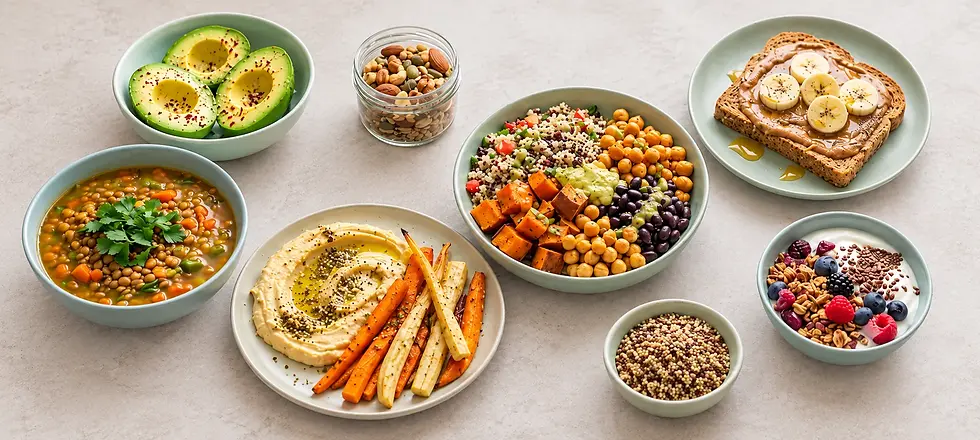
Are you eating regular meals but still struggling to gain weight? You may have tried increasing your portions, adding snacks or simply eating whatever you can, only to find that the weighing scale barely moves. And when you follow a vegetarian diet, figuring out which foods can actually help can make the process even more confusing.
The answer isn't to force yourself to eat huge meals every day. Choosing the right high-calorie vegetarian foods can help you add more energy to your diet without making every meal feel overwhelming. From nuts and paneer to dairy, soy, seeds and dried fruits, we’ve covered plenty of nutritious options to for you in this blog.
10 High-Calorie Vegetarian Foods for Weight Gain
If you're trying to gain weight on a vegetarian diet, focus on foods that give you plenty of calories along with protein, healthy fats, carbohydrates and other nutrients. These options can help you increase your calorie intake without relying on highly processed foods.
1. Nuts and Nut Butters

Nuts are useful when you struggle to eat large portions because a small serving can add substantial calories to a meal. Almonds, cashews, walnuts and peanuts also provide fats, some protein and fibre.
Nut butters make them even easier to use. Spread peanut butter on toast, stir almond butter into oats or blend a spoonful into a smoothie. Choose versions without unnecessary added sugar or hydrogenated fats when possible.
2. Paneer

Paneer can make vegetarian meals more filling and calorie-dense while providing a useful amount of protein. It's especially practical if you already eat Indian food regularly, since it can be added without changing your usual meal pattern.
Use it in curries, wraps, sandwiches, bhurji or stuffed parathas. Pairing paneer with rice or roti gives you a combination of protein, fat and carbohydrates in one meal.
3. Whole Milk and Full-Fat Yogurt
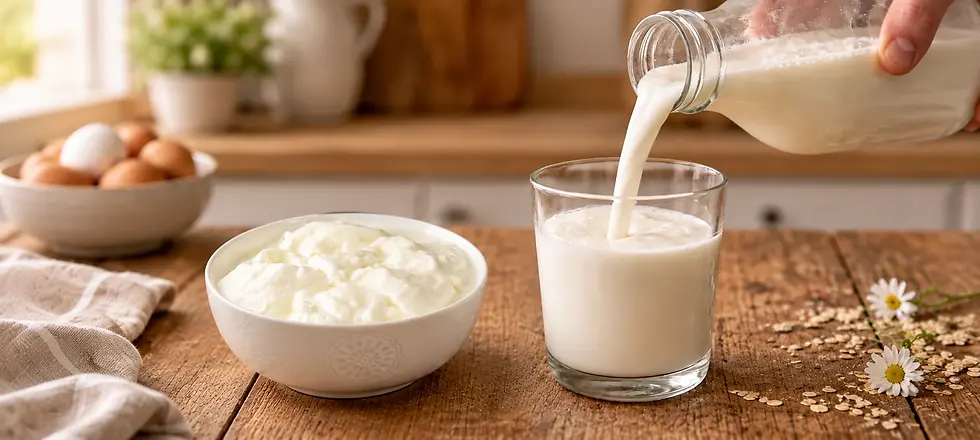
Whole milk and full-fat yogurt can help increase calorie intake without adding a large amount of food to your plate. They also provide protein, fat and calcium.
Have milk with breakfast, add yogurt to oats or make a lassi with your meal. You can also blend milk, yogurt, fruit, oats and nut butter into a calorie-dense smoothie when you don't feel like eating a full snack.
4. Avocado

Avocado contains mostly unsaturated fat, making it a useful addition when you want to increase calories while keeping your food choices nutrient-rich. It also provides fibre and several micronutrients.
You don't need to build your entire diet around it. Add avocado to toast, sandwiches, wraps or salads, or mash it into a simple dip. Since availability and price can vary in India, treat it as an optional food rather than a staple.
5. Soy Foods

Tofu, tempeh and soy chunks can help vegetarian diets meet protein needs while adding variety to meals. Soy chunks are particularly convenient for Indian cooking and can be used in curries, pulao or mixed with vegetables.
Tofu works well in stir-fries, wraps and gravies. Combining soy foods with rice, roti or another carbohydrate source can make a meal more substantial and easier to build around your weight-gain goal.
6. Lentils, Chickpeas and Beans

Dal, rajma, chole and other legumes are staples in many Indian diets, so they're easy to include regularly. They provide plant protein, carbohydrates and fibre, making them useful for balanced meals.
For more calories, serve them with rice or roti and add ingredients such as ghee or curd where they fit your diet. This lets you increase the energy content of a familiar meal without dramatically increasing its volume.
7. Oats

Oats are a simple base for a calorie-dense breakfast or snack. On their own, they're filling, but you can increase their energy content by combining them with higher-calorie ingredients.
Cook oats in whole milk and add banana, nuts, nut butter, seeds or dried fruit. You can also blend them into smoothies if eating a large breakfast feels difficult.
8. Rice and Other Grains

Rice, bread, quinoa and millets provide carbohydrates that can help you increase your overall energy intake. Rice can be particularly convenient because it's easy to combine with dal, paneer, vegetables, beans or soy.
If your current meals are already balanced, you may simply need to adjust the portion slightly rather than completely changing what you eat. Choose the grain and portion that fits comfortably into your usual meals.
9. Dried Fruits

Dates, raisins, dried figs and dried apricots contain less water than fresh fruit, so their calories and carbohydrates are concentrated into a smaller portion. That makes them convenient when you want something quick between meals.
Add them to oats, yogurt, trail mix or smoothies. Keep portions sensible, since it's easy to eat a large amount without noticing when dried fruit is being used as a snack.
10. Seeds

Seeds can be an easy calorie boost because they don't require much preparation. Pumpkin, sunflower, sesame, chia and flax seeds provide varying amounts of healthy fats, protein, fibre and minerals.
Sprinkle them over yogurt, oats, salads or rice dishes, or blend them into smoothies. You can also use sesame or ground flax in homemade snacks and meals for extra variety.
10 High-Calorie Vegetarian Foods for Weight Gain: Quick-Glance Table
Food | Main nutritional benefit | Easy ways to include it |
|---|---|---|
Nuts and nut butter | Healthy fats, calories, some protein | Snack, toast, smoothies |
Paneer | Protein and fat | Curry, wrap, sandwich, paratha |
Whole milk and yogurt | Protein, fat, calcium | Smoothies, oats, lassi |
Avocado | Unsaturated fats, fibre | Toast, salad, wrap |
Soy foods | Plant protein | Curry, stir-fry, soy-chunk dishes |
Lentils, chickpeas and beans | Protein, carbs, fibre | Dal, rajma, chole |
Oats | Carbohydrates, fibre | Porridge, smoothie, overnight oats |
Rice and grains | Carbohydrates and energy | Rice bowls, pulao, meals |
Dried fruits | Concentrated carbohydrates | Snack, oats, smoothies |
Seeds | Healthy fats, minerals, some protein | Oats, yogurt, smoothies |
How to Add More Calories Without Eating Much More
You don't need to add another full meal to increase your calorie intake. Instead, make your existing meals more energy-dense by adding small amounts of calorie-rich foods.
Try nut butter on toast, nuts in oats, seeds in yogurt, paneer in curries or a little ghee with dal and rice. Smoothies can also help if drinking calories feels easier than eating more food.
Combining carbohydrates with protein and fat can also make meals more balanced. Try rice with dal and ghee, roti with paneer, or oats with milk, banana and peanut butter.
How Many Extra Calories Do You Need to Gain Weight?
A consistent calorie surplus is needed for weight gain. For gradual weight gain, around 300 to 500 extra calories a day is often suggested as a starting point, but your actual needs depend on factors such as your age, body size, activity level and current intake.
You don't need to follow a fixed calorie target that was designed for someone else. If you're losing weight without trying or have a consistently poor appetite, speak with a healthcare professional to identify the cause before increasing your intake.
Conclusion
Healthy weight gain starts with eating enough calories consistently while choosing foods that also provide protein, healthy fats and other nutrients. Nuts, paneer, dairy, soy, legumes, grains, dried fruits and seeds can make it easier to increase your intake without relying on processed foods.
If you're unsure about your calorie needs or how to build your meals, Ryan Fernando can help you create a personalised nutrition plan based on your food preferences, daily needs and weight-gain goals.
FAQs
Can I gain weight on a vegetarian diet without eating junk food?
Yes. You can gain weight with nutritious vegetarian foods by consistently eating enough calories. Build meals around calorie-dense foods, protein sources and carbohydrates, then add healthy fats or calorie-rich snacks to increase your overall intake.
How long does it take to gain weight with a vegetarian diet?
The timeline varies based on your calorie intake, activity level, metabolism and starting weight. Gradual weight gain is generally more sustainable, so focus on maintaining a consistent calorie surplus rather than expecting noticeable changes within a few days.
What should I do if I feel full quickly while trying to gain weight?
Choose smaller, energy-dense meals and snacks instead of forcing yourself to eat large portions. Smoothies, nut butter, nuts, full-fat dairy and seeds can add calories without significantly increasing meal volume. Eating more frequently may also help.


Comments