
Ginger, Tulsi, Fennel & More: Which Herbal Tea Is Best for Your Morning?

You have probably come across ginger, tulsi, fennel, peppermint and several other herbal teas while looking for a healthy morning drink. Each one seems to have its own set of benefits, which can leave you wondering which tea is actually the better choice for your morning.
The truth is, there is no single tea that is best for everyone. The right choice depends on what you want from your morning drink, your caffeine preference and how your body responds to it. If you are trying to decide which is the best tea to drink in the morning, here is what you should know about the most popular options.
What Makes a Morning Herbal Tea a Good Choice?
Starting your day with herbal tea can be a simple way to add more fluids to your routine while choosing a drink that’s naturally caffeine-free. Depending on the herbs used, your morning cup may also support comfortable digestion and give you a refreshing start to the day.
The herbs themselves are what make each tea different. Ginger may be a better choice when digestion is your priority, while tulsi, fennel or peppermint may suit other morning preferences. Let’s look at what each of these herbal teas offers and how they may fit into your morning routine.
Ginger, Tulsi, Fennel and More: What Each Tea Offers
Each herbal tea has a different flavour and may suit a different morning preference. If you’re choosing one for digestion, a caffeine-free routine or simply a lighter start to the day, knowing what each tea offers can make the choice easier.
Ginger Tea: Ginger tea has a warming, slightly spicy flavour and is naturally caffeine-free. It has been studied for nausea and digestive symptoms, making it a popular choice for people who want a warming drink in the morning. If you’re prone to heartburn, however, ginger may not suit you.

Tulsi Tea: Tulsi, also known as holy basil, has a mild, earthy flavour and is naturally caffeine-free. It has traditionally been used for general wellbeing, while research has explored its potential effects on stress and metabolic health. It can be a simple option if you prefer a lighter morning drink.

Fennel Tea: Fennel tea has a naturally sweet, aromatic flavour and is often enjoyed for digestive comfort. Its mild taste makes it suitable for people who find stronger herbal teas difficult to enjoy. You can have it in the morning or after meals, depending on what feels comfortable.

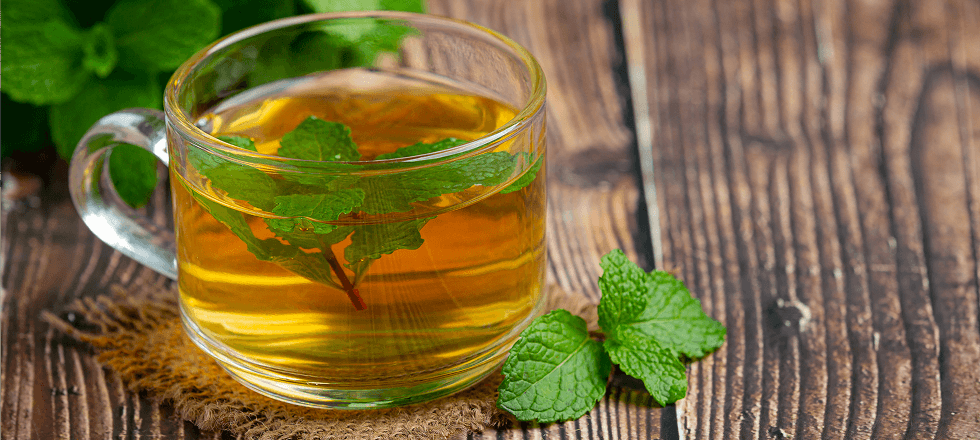
Peppermint Tea: Peppermint tea has a fresh, cooling taste and contains no caffeine. It’s commonly enjoyed for digestive comfort and can be a refreshing choice if you don't like spicy or earthy herbal flavours. It works well as a simple, light morning drink.
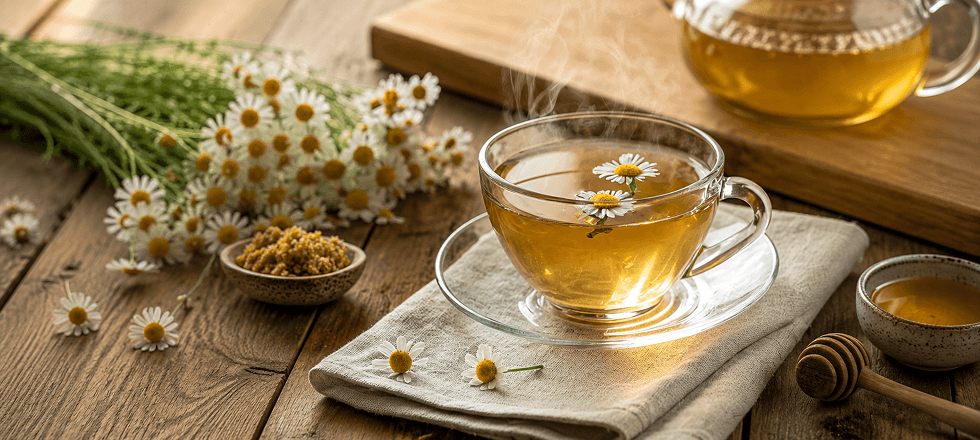
Chamomile Tea: Chamomile has a mild floral flavour and is best known for its calming qualities. Since it’s caffeine-free, it can suit people who prefer to avoid caffeine. If you want a morning drink mainly for alertness, though, chamomile may not be the most suitable option.
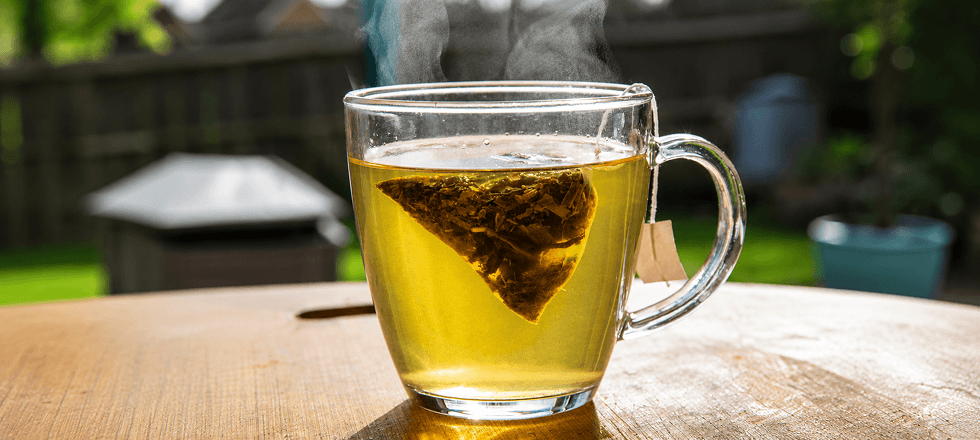
Green Tea: Green tea isn't an herbal tea, but it’s worth considering if you want some caffeine in the morning. It comes from the Camellia sinensis plant and contains caffeine and polyphenols, making it a popular alternative to coffee for people who want a lighter caffeinated drink.
Which Is the Best Tea to Drink in the Morning?
The best tea to drink in the morning depends on what you prefer and what you want from your drink. Each option has a different taste and may suit a different routine.
What you’re looking for | Tea to consider |
Warming and spicy | Ginger |
Simple, caffeine-free option | Tulsi |
Mild and naturally sweet | Fennel |
Fresh and cooling | Peppermint |
Gentle and calming | Chamomile |
Caffeine | Green tea |
The right choice is the one you enjoy and can comfortably include in your daily routine.
What Herbal Tea Can and Cannot Do
Herbal tea can be a smart addition to your morning routine. It can provide fluids without many calories when enjoyed without added sugar, and certain herbs may support specific areas such as digestion or relaxation.
But herbal tea isn't a cure-all. It can't replace a balanced diet, fix poor eating habits or deliver the dramatic results often promised by detox teas. Your liver and kidneys already handle your body's natural waste removal.
The same applies to weight management. No single cup of tea can do the work of a healthy diet and active lifestyle. Think of herbal tea as one small habit that can support your overall routine, rather than something that needs to deliver every health benefit on its own.
How to Choose the Right Morning Herbal Tea?
Choose your morning herbal tea based on your taste, digestive needs and the kind of start you want.
For digestive support: Ginger or fennel may be suitable
For a refreshing drink: Peppermint is a good option.
For a simple herbal infusion: Tulsi is an easy choice.
For a gentler, calming drink: Chamomile may suit you.
For stronger flavours: Ginger has a warm, spicy taste.
For milder flavours: Fennel and chamomile are easier choices.
You don't need to drink the same tea every morning. Switching between options can help you find what you enjoy and what feels comfortable for you.
Conclusion
The best tea to drink in the morning is one that fits your taste, routine and health goals. Ginger, tulsi, fennel, peppermint and chamomile each offer something different, so your choice can come down to what you enjoy and what feels right for your body.
If you want to improve your overall nutrition, personalised guidance can help you build habits that fit your goals and lifestyle. Book a consultation with Ryan Fernando and his team to create a practical nutrition plan designed around your needs.
FAQs
What is the best time to drink herbal tea in the morning?
You can have herbal tea after waking up or alongside your morning routine. There’s no specific time that makes one tea more effective. Choose a time that feels comfortable and fits naturally into your breakfast and daily schedule.
Should herbal tea be taken before or after breakfast?
Either can work. If you’re comfortable drinking herbal tea before breakfast, you can have it then. If you notice acidity or stomach discomfort, having it after breakfast may be more suitable. Your personal tolerance is more important than following a fixed rule.
Can herbal tea be part of a weight management diet?
Yes. Unsweetened herbal tea can fit easily into a weight management diet as a low-calorie drink. It can also replace sugary beverages, helping reduce unnecessary calories while keeping your overall eating pattern balanced and nutritious.


Comments