
Plant Protein vs Animal Protein: Which Is Better for Your Health?
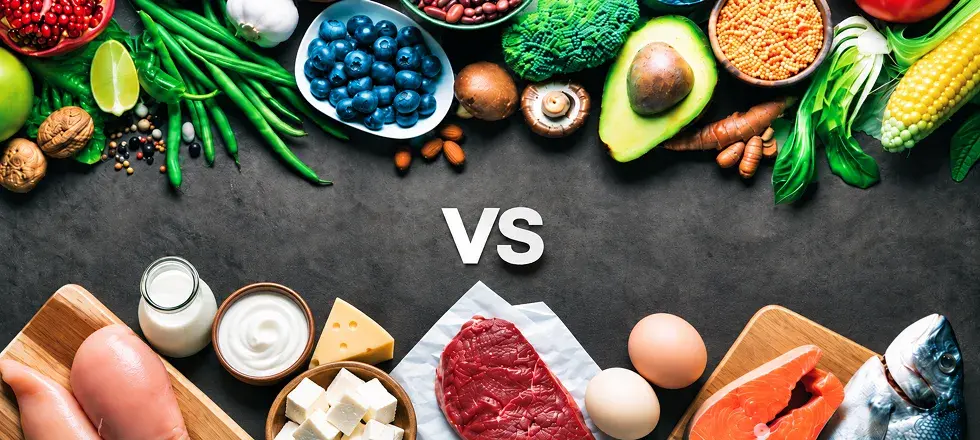
Protein is an important part of a healthy diet, but choosing the right source can leave you with more questions than answers. Should you get most of your protein from foods like lentils, beans and nuts, or rely more on eggs, fish, dairy and meat?
The answer isn’t simply about how much protein each food contains. Your choice also affects the other nutrients that come with it, from fibre and healthy fats to vitamins and minerals. And depending on your goal, some protein sources may fit your diet better than others.
In this guide, we’ll break down plant protein vs animal protein and help you understand which option makes more sense for your health.
What Is the Difference Between Plant and Animal Protein?
Plant and animal foods both provide protein, which supplies amino acids your body needs to build and repair tissues. The main difference lies in the other nutrients that come with each protein source and their amino acid profiles.
Plant protein comes from foods such as lentils, beans, chickpeas, peas, soy, tofu, tempeh, nuts, seeds and whole grains. These foods can also provide fibre, vitamins, minerals and unsaturated fats, depending on the food.
Animal protein comes from eggs, milk, curd or yoghurt, paneer, fish, seafood, chicken and meat. Most animal proteins provide all nine essential amino acids and are generally well digested. They can also provide nutrients such as vitamin B12, zinc, iron and calcium, although the amounts vary between foods.
So, choosing a protein source involves more than looking at its protein content. The food itself and the other nutrients it provides also matter.
How Do Plant and Animal Proteins Compare?
Protein quality depends on the amino acids a food provides and how well your body can digest and use them. But protein quality is only one part of the picture. The fibre, fats, vitamins, minerals and other nutrients that come with the food also matter when you look at its overall health value.
Factor | Plant Protein | Animal Protein |
Protein quality | Varies by source | Generally high |
Essential amino acids | Some sources are lower in one or more essential amino acids | Most sources provide all nine essential amino acids |
Digestibility | Can be lower depending on the food | Generally well digested |
Fibre | Often provides fibre | Usually provides little or no fibre |
Saturated fat | Usually low | Varies by source |
Vitamin B12 | Not naturally present in most plant foods | Naturally present in many animal foods |
Iron | Provides non-haem iron | Meat and seafood provide haem iron, which is more readily absorbed |
Other nutrients | Fibre and various plant compounds | Nutrients such as B12, zinc, iron and omega-3 fats in certain foods |
Both plant and animal proteins can contribute to a healthy diet, and a varied intake can provide the protein and essential amino acids your body needs. Rather than focusing on protein alone, consider the whole food and the nutrients it provides, such as fibre, healthy fats, vitamins and minerals.
Which Protein Is Better for Muscle Growth?
If building muscle is your goal, protein quality matters because your muscles need essential amino acids to repair and grow. Animal proteins generally provide all nine essential amino acids and more leucine, which plays an important role in stimulating muscle protein synthesis.

Plant proteins can also support muscle growth when you consume enough total protein. A 2026 systematic review found a small overall advantage for animal protein in muscle protein synthesis, but the results varied by protein source and age. This difference doesn’t mean plant protein cannot support muscle development.
Your training and total protein intake remain key factors in muscle growth. Regular resistance training combined with enough protein and energy can support muscle development, whether your main protein sources are plant-based, animal-based or a mix of both.
Plant Protien VS Animal Protein: Which Is Better for Heart Health?
Plant protein has an advantage for heart health, particularly when it replaces red or processed meat. A 2024 Harvard study found that a higher intake of plant protein relative to animal protein was associated with a lower risk of cardiovascular disease and coronary heart disease. Much of the benefit was linked to replacing red and processed meat with plant protein.

Foods such as lentils, beans, chickpeas, nuts, seeds and soy provide protein along with fibre and unsaturated fats. These nutrients can support heart health, while diets high in red and processed meat are associated with poorer cardiovascular outcomes.
This doesn’t make all animal protein unhealthy. Fish, yoghurt and eggs can fit into a heart-healthy diet, but if you’re choosing between plant protein and red or processed meat regularly, plant protein is the better choice for your heart.
Which Protein Source Provides Better Nutrition?
Neither is better for every nutrient. Plant protein foods such as lentils, beans, nuts, seeds and whole grains provide fibre, folate, magnesium and potassium, while animal foods can provide vitamin B12, zinc, highly absorbable iron and calcium. Fatty fish also provides long-chain omega-3 fats.
If you eat mostly or entirely plant-based, plan your diet carefully to meet nutrients such as vitamin B12, iron, calcium, iodine and omega-3 fats. The quality of the food matters too, since highly processed plant-based foods can be high in sodium, added sugar and calories.
The Bottom Line
Plant protein is the better choice for heart health, while animal protein can offer highly digestible protein and nutrients such as vitamin B12, zinc and iron. For most people, the focus should be on choosing nutritious protein foods, getting enough protein for their needs and limiting processed and red meat.
The right protein intake also depends on your age, activity level, health and goals. If you’re unsure how much protein you need or how to balance plant and animal sources, Ryan Fernando and the team at QUA Nutrition can help you build a personalised, science-based nutrition plan around your needs and lifestyle.
FAQs
Is plant protein healthier than animal protein?
Plant protein can be the healthier choice when it replaces red or processed meat. Foods such as beans, lentils, tofu and nuts provide protein along with fibre and other nutrients. However, foods such as fish, eggs and yoghurt can also fit into a healthy diet.
Is animal protein better for building muscle?
Animal protein can have a small advantage for muscle protein synthesis because it generally provides all nine essential amino acids and is rich in leucine. However, plant protein can also support muscle growth when you eat enough protein and do regular resistance training.
Which is better for weight loss, plant or animal protein?
Neither protein source guarantees weight loss. Plant foods such as beans and lentils provide protein and fibre, which can help make meals more filling, while lean animal proteins provide protein without many calories. Your overall calorie intake and eating pattern matter more here.


Balancing complete amino acid profiles when transitioning towards a plant-forward diet is always tricky, especially regarding leucine thresholds and bioavailability compared to whey or lean meats. Sticking to a rigorous nutrition plan, tracking macronutrients, and staying consistent with daily training demands significant mental focus and routine discipline. Over time, I realized that sustaining physical fitness goals long-term requires taking care of mental recovery just as intentionally. To switch gears in the evenings and decompress from strict diet logs and workout schedules, I usually turn to smooth, responsive digital platforms; in that routine, I bookmarked roobetindia.net because the interface is clean, fast, and easy to navigate on mobile. My golden rule for digital downtime is keeping it strictly structured: setting a fixed,…