
5 Healthy Foods to Eat on an Empty Stomach

The first thing you eat in the morning sets the tone for the rest of your day. After 7 to 8 hours without food, your body is ready to refuel, and what you choose can affect your energy, your hunger levels and even how much you snack later.
Unfortunately, morning eating is also where most food myths live. Don’t eat bananas on an empty stomach. Always start with honey and lemon. Never touch fruit before breakfast. I hear these every single week.
So let me keep it simple. Here are 5 foods that are a genuinely good way to break your overnight fast, what the science says about each one, and who should be a little careful.
Before You Eat Anything: Start With Water
You lose water overnight through breathing and sweating, so most people wake up mildly dehydrated. A glass or two of plain water before your first meal is the easiest habit you can build. Warm or room temperature, whichever you prefer. You don’t need to add anything to it for it to work.
1. Soaked Almonds

A handful of soaked almonds is one of the most common morning rituals in Indian homes, and it is a good one. A 30 gram serving (about 23 almonds) gives you roughly 6 grams of protein, 3.5 grams of fibre, healthy unsaturated fats and nearly half your daily vitamin E needs.
Let me be honest about the soaking part. Soaking makes almonds softer and easier to chew, which many people prefer. But research on whether soaking unlocks extra nutrition or improves digestion has found the difference to be small. So if you forget to soak them one night, eat them anyway.
One more thing. Many people peel the skin off after soaking. Don’t. The brown skin holds a large share of the almond’s antioxidants.
How to eat it: 5 to 8 almonds with their skin on, soaked overnight in water. Pair them with a fruit or a protein-rich breakfast.
2. Eggs

If I had to pick one breakfast food that keeps people full the longest, eggs would be near the top. One large egg gives you about 6 grams of high-quality protein along with vitamin B12, choline, selenium and some vitamin D in the yolk.
Studies comparing an egg breakfast to a carbohydrate-heavy breakfast with the same calories have found that people who ate eggs felt more satisfied and ate less at their next meal. Protein early in the day helps keep your blood sugar steadier and your mid-morning cravings lower.
How to eat it: Boiled, poached, as a bhurji with vegetables, or a masala omelette with very little oil. Eat the whole egg. The yolk is where most of the vitamins sit.
3. Papaya

Papaya is gentle on the stomach, which makes it a great first food of the day. One cup of ripe papaya gives you more than your full day’s vitamin C, along with fibre, folate and carotenoids. It also contains papain, an enzyme that helps break down protein.
Papaya is also one of the most reliable fruits for regular bowel movements, thanks to its fibre and water content.
How to eat it: A bowl of ripe papaya on its own, or with a few nuts or seeds for some protein and fat.
A note of caution: Pregnant women should avoid unripe or semi-ripe papaya, because it contains latex that may trigger uterine contractions. Fully ripe papaya in normal amounts is generally considered safe, but check with your doctor.
4. Moong Sprouts
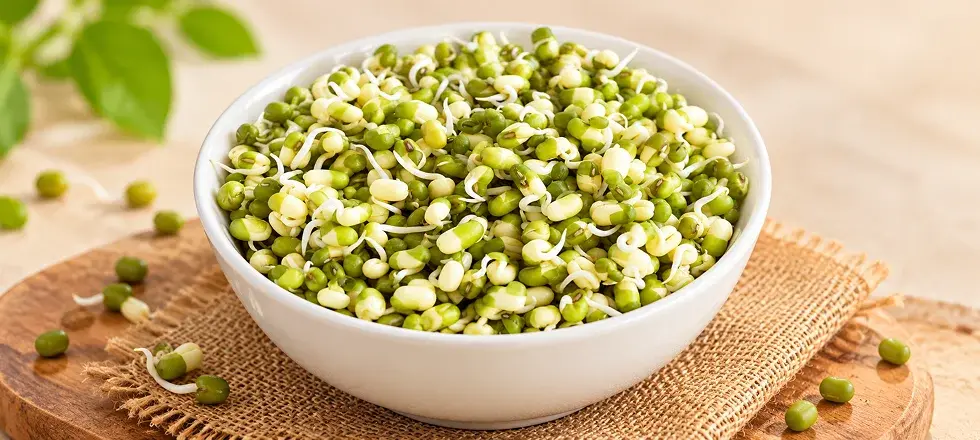
Sprouted moong is light, filling and packed with nutrition for very few calories. Sprouting increases vitamin C content and makes the dal easier to digest for many people. You get plant protein, fibre, folate and a satisfying crunch.
It is a smart option for vegetarians who struggle to get enough protein in the morning.
How to eat it: A sprouts chaat with onion, tomato, cucumber, lemon juice and a pinch of chaat masala. Or add them to a moong chilla.
Food safety tip: Raw sprouts are grown in warm, moist conditions that can also suit bacteria. Rinse them well and steam or blanch them lightly, especially for children, older adults, pregnant women and anyone with a weak immune system.
5. Watermelon

Watermelon is about 92 percent water, so it is a refreshing way to rehydrate after the night. It is low in calories, around 30 per 100 grams, and contains lycopene, the antioxidant that gives it its red colour, along with citrulline, an amino acid linked to blood flow.
How to eat it: A bowl on its own in the morning, or alongside some seeds or nuts.
If you have diabetes: Watermelon has a high glycemic index, though a normal serving has a low glycemic load because it is mostly water. Keep the portion moderate and pair it with protein or fat to slow down the sugar release.
Morning Food Myths, Busted
“Bananas on an empty stomach are dangerous.” There is no good evidence for this. A banana is a perfectly fine morning food, and pairing it with nuts or curd makes it more filling.
“Fruit on an empty stomach ferments in your gut.” Your stomach acid and digestive system handle fruit just fine at any time of day. This claim has no scientific basis.
“Lemon water with honey burns fat.” Lemon water is a pleasant way to drink more water, and that is about it. It does not melt fat. Honey is still sugar, so keep it small.
“Coffee on an empty stomach causes ulcers.” For most healthy people, it doesn’t. But coffee can trigger acidity or reflux in some people. If it bothers you, have it after breakfast instead.
Who Should Be More Careful in the Morning
If you have acid reflux or gastritis, citrus fruits, black coffee and spicy food first thing may worsen your symptoms. Start with something mild like papaya, oats or eggs.
If you have diabetes, avoid starting the day with fruit or juice alone. Combine carbohydrates with protein and fibre, and follow the advice your doctor has given you, especially if you take medicines that lower blood sugar.
FAQs
What is the best thing to eat first in the morning?
There is no single best food. A good morning meal includes some protein, some fibre and healthy fat. Eggs with fruit, or soaked almonds with a sprouts chaat, are good examples.
Is it okay to skip breakfast?
Some people do well with a later first meal, and some don’t. If skipping breakfast leaves you overeating later in the day, feeling shaky or low on energy, it is probably not working for you.
Can I drink tea on an empty stomach?
Many people can without any issues. If you notice acidity or nausea, have a small snack like a few almonds or a biscuit-free option such as roasted chana first.
How long should I wait after waking up to eat?
There is no fixed rule. Drink water first, and eat when you feel hungry, ideally within a couple of hours of waking if you are active in the morning.


